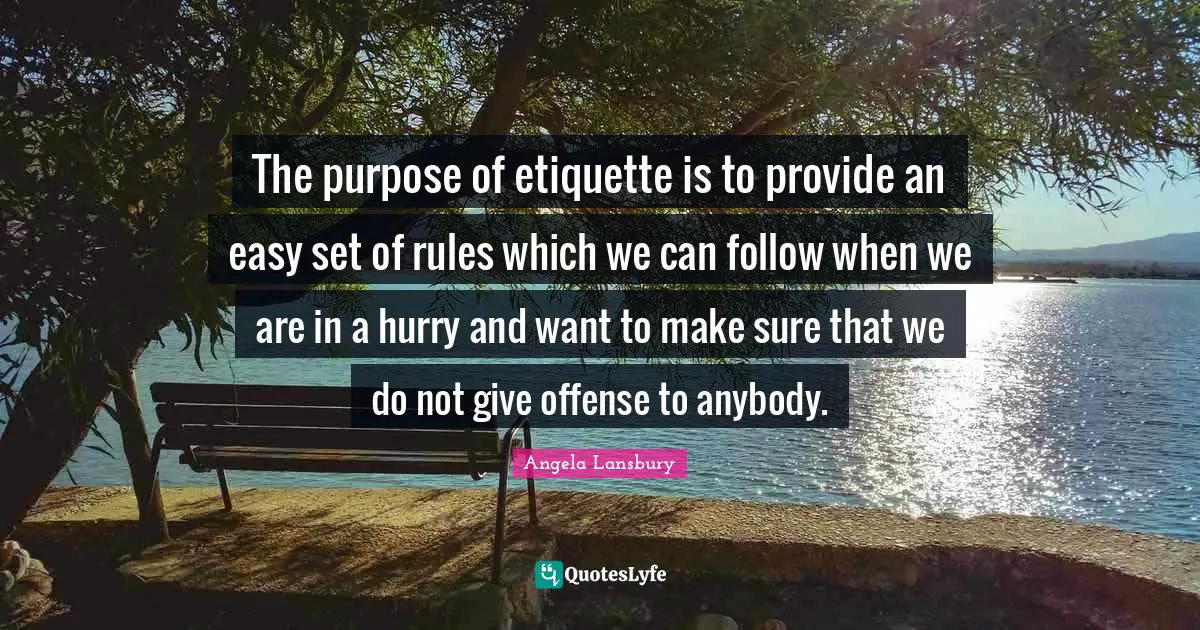
- Describe the purpose of the rules of etiquette
- Which of these rules of etiquette apply to conduct within the boat
- Rules of golf etiquette
10 rules of golf etiquette
Unless you’re playing in a tournament where every stroke is counted, if a hole gets out of hand, you don’t have to finish it. Making a 12 on a hole will not affect your handicap any more than making a 7 or 8, so to keep everything moving, it’s OK and preferable to put your ball in your pocket and move on https://thelymeygypsy.com.
Hazards are typically marked with yellow or red stakes and lines. If your ball has landed in a hazard, you can take one free drop within two club lengths of the original spot. You must also ensure the ball does not move closer to the hole than its original spot. If your ball lands in a bunker, you must play the shot from within the hazard and rake it afterward.
The golf rule book has the title R&A, which stands for Royal and Ancient. The game of golf was originally played by the 15th-century gentry and noblemen of Scotland, not the common folk. Golf has a long history of tradition. Fortunately, we can all play nowadays, but how it started in formality explains why the game has golf etiquette.
Describe the purpose of the rules of etiquette
The late 18th and early 19th centuries showed another great flowering of etiquette in Britain when exquisites like Beau Nash and Beau Brummell imposed their whims as rules upon polite society; even the Prince Regent would not leave his waistcoat unbuttoned to a greater degree than Brummell prescribed. In the late 19th and early 20th centuries those in the upper strata of society regarded the observance of the most trivial demands of etiquette as at once a diversion and, for the women, an occupation. More and more elaborate rituals were designed to create a sense of exclusiveness for the initiates and to keep the unworthy, ignorant of them, at a distance.
The late 18th and early 19th centuries showed another great flowering of etiquette in Britain when exquisites like Beau Nash and Beau Brummell imposed their whims as rules upon polite society; even the Prince Regent would not leave his waistcoat unbuttoned to a greater degree than Brummell prescribed. In the late 19th and early 20th centuries those in the upper strata of society regarded the observance of the most trivial demands of etiquette as at once a diversion and, for the women, an occupation. More and more elaborate rituals were designed to create a sense of exclusiveness for the initiates and to keep the unworthy, ignorant of them, at a distance.
The list could go on, but you can already see the pattern.Not only do these experiences drain your mood and make you feel insignificant, there is something even more important at play.Do you want me to spell it out?
You take a cab, hoping for a friendly smile, but are instead met with a dismissive eye roll from the driver. Finally, you arrive at the office, only to find that half of your colleagues either don’t make eye contact when they greet you or, worse, don’t bother to say hello at all, too absorbed in scrolling through their phones.
By mid-20th century, however, concern about polite conduct was no longer confined to a social elite. Good manners for ordinary people in everyday situations were set forth in the United States by two prominent and influential arbiters of taste, Emily Post and Amy Vanderbilt. Drawing on her own wide experience in social, political, and diplomatic situations, no less a personage than Eleanor Roosevelt published her own typically practical Book of Common Sense Etiquette (1962).
In Britain standards of conduct were greatly affected by the publication in the 16th century of certain Italian works known as courtesy books. Probably the most influential of these was Baldassare Castiglione’s Il libro del cortegiano (1528; The Book of Courtesy, 1561). Further elaborations by English authorities—e.g., Richard Brathwaite’s The English Gentleman and Description of a Good Wife—arrived in colonial America with passengers of the “Mayflower.” These British imports were soon followed by such indigenous products as the manual for parents entitled School of Good Manners (attributed to Eleazar Moody, 1715).
Which of these rules of etiquette apply to conduct within the boat
What exactly is proper boating etiquette? Boating etiquette encompasses a set of both written and unwritten rules that facilitate safety and enjoyment of boating on the water. Whether you’re a seasoned sailor or a beginner boater, adhering to these guidelines ensures a harmonious environment for all those on the water. A few key points include courtesy towards others, understanding right-of-way rules, and the proper handling of one’s vessel, which collectively contribute to a positive boating experience for everyone involved.
Certain professionals, such as commercial fishermen or tour operators, often work within these confined waters. Recreational boaters should yield to these vessels when necessary and not impede their operations.
One thing about boating on the weekend is that you won’t be the only boat out on the water. If the dock is busy, be efficient while maintaining a safe environment. Load and unload your passengers and gear quickly and safely. If possible, have one of your passengers obtain your truck and trailer to keep the process quick. If your marina or local boat ramp has courtesy docks, these should be used for temporary stops to unload and aren’t meant to be a long-term location for boats.
Local authorities and maritime agencies may establish additional regulations and navigational requirements specific to certain waterways, ports, or harbours. Boaters should familiarise themselves with local rules and guidelines applicable to the areas where they operate their vessels.
Rules of golf etiquette
To allow for a quick exit and to minimize any wait time by the group behind you, park your cart, or your golf bag if you’re walking, between the green and the next tee box.. This eliminates any unnecessary back-tracking and helps pace of play.
Now, a little bit about the golf etiquette on the green. The person farthest from the green plays first. Don’t walk ahead because you might find yourself in the line of fire and blocking someone’s shot.
With that said, most courses have a dress code. If you don’t adhere to it, you’re likely going to “offend” some other golfers. You also probably won’t be able to play or will be forced to quit your round prematurely.
Golf has seen a massive boom as people look for safe outdoor activities to participate in during the COVID-19 pandemic. While all of these new players are great for the game, the need for basic golf etiquette education is at an all-time high.
Keep in mind that just because you can’t see someone, it doesn’t mean there isn’t someone in your ball’s path. For example, if you slice a ball towards another hole, be sure to yell “Fore!” even if you can’t see the other hole.